ALUMINUM · 6061 · 7075
The everyday stock. Removal is fast, so the finish has to come off the last pass — not off a polish afterwards.
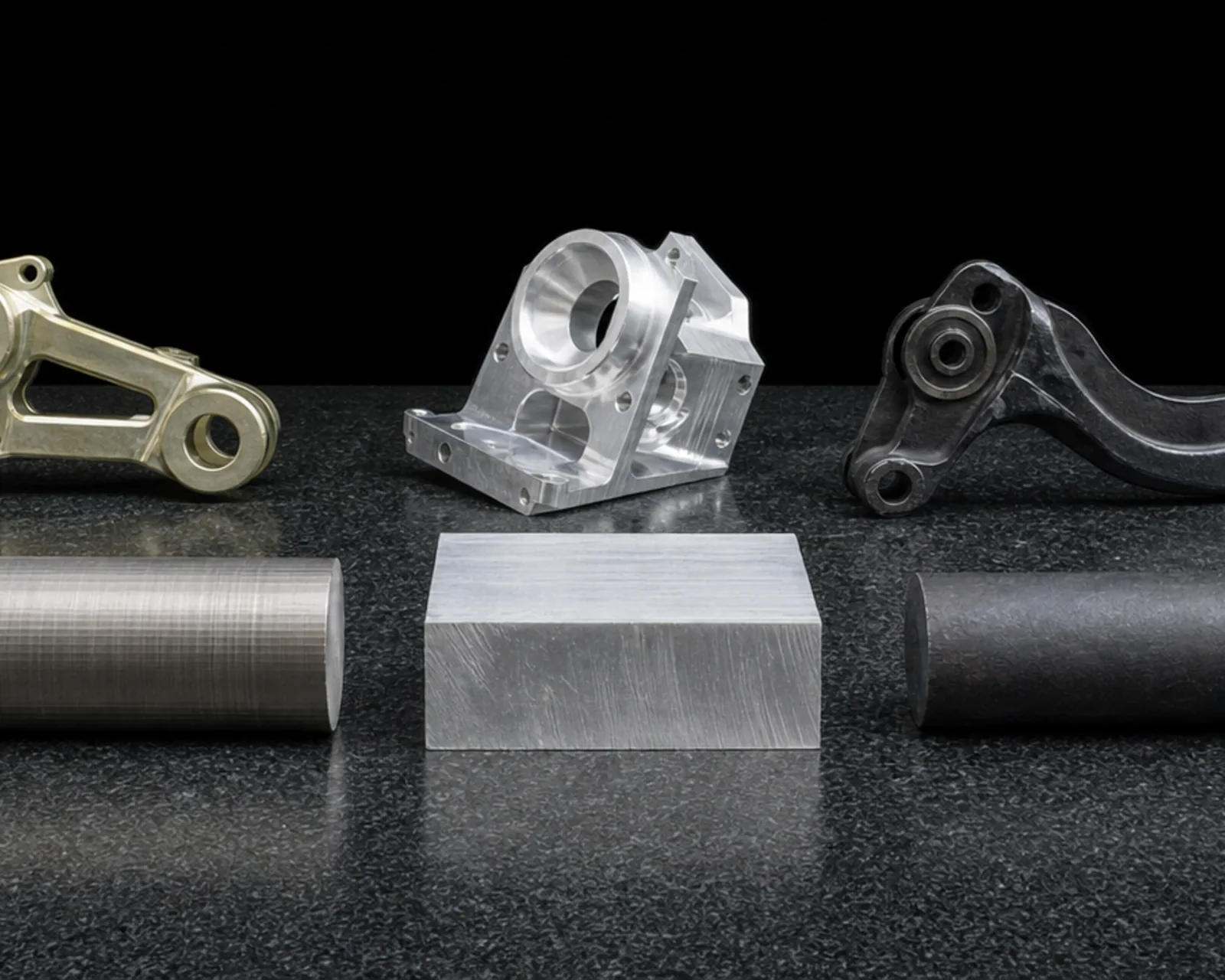
MATERIALS · PROTOTYPE & R&D
ALUMINUM · ALLOY STEEL · STAINLESS STEEL · TITANIUM · INCONEL 718 · MAGNESIUM · CARBON FIBER
01 · THE PLAN BEFORE THE CUT
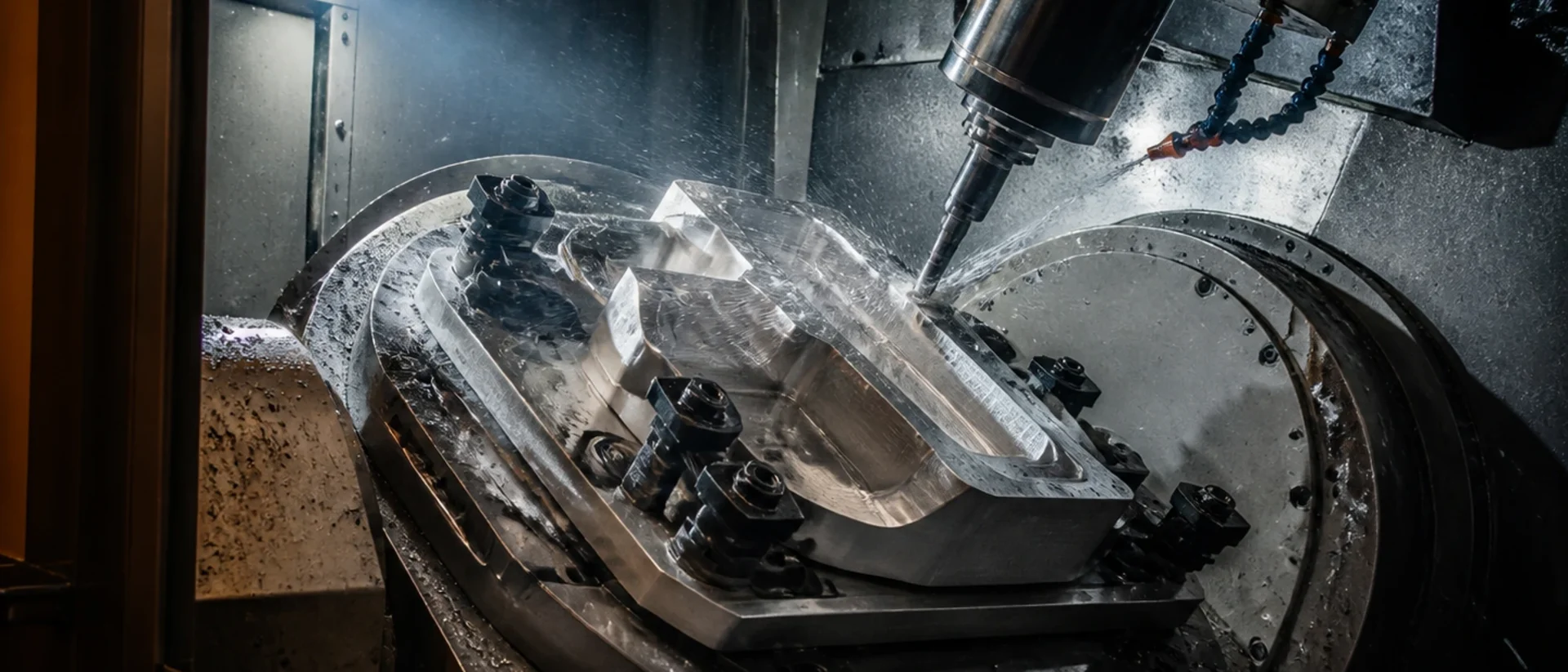
Aluminum, alloy steel, stainless steel, titanium, carbon fiber, Inconel 718 — each one gets the removal strategy it needs, not the one the machine defaults to. Tool life is planned before the first cut, so the process stays stable from roughing to final pass.
The same planning runs on the everyday stock: brass, bronze, copper and beryllium copper, carbon steel, tool steel, iron, zinc, engineering plastics (ABS, nylon, polycarbonate, acrylic) and composites.
We don’t crash machine heads — we plan them.
02 · THE STOCK
03 · WHAT RUNS HERE
Cyclone Machining Co. is a prototype and R&D machine shop in Grand Rapids, Michigan. One part is a real job here — a prototype, a first article, or the revision another shop handed back. Send the print and the material; the shop reads it and comes back with a real path.
ALUMINUM · 6061 · 7075
The everyday stock. Removal is fast, so the finish has to come off the last pass — not off a polish afterwards.
ALLOY STEEL · 4140 · 4340
Behaves predictably until the wall gets thin. Then it is the fixturing that saves the part, not the feed rate.
STAINLESS STEEL
Gummy rather than hard — it smears onto any edge that stops cutting. The chip has to keep coming off, and a thin section is roughed before it is finished so the stress leaves before the last pass does.
TITANIUM
Heat has nowhere to go but into the tool. Parameters get matched to the geometry in front of us, not to the material's name.
INCONEL 718
Work-hardens the moment the cut hesitates. The pass has to keep moving, which means the tool is planned to finish it before it starts.
MAGNESIUM
Cuts easily and will burn if the chips are allowed to pack. As much a housekeeping discipline as a machining one.
CARBON FIBER
Abrasive rather than hard — it consumes edges instead of resisting them. Tooling is chosen to be used up, and the fibre stays supported where the cutter exits.
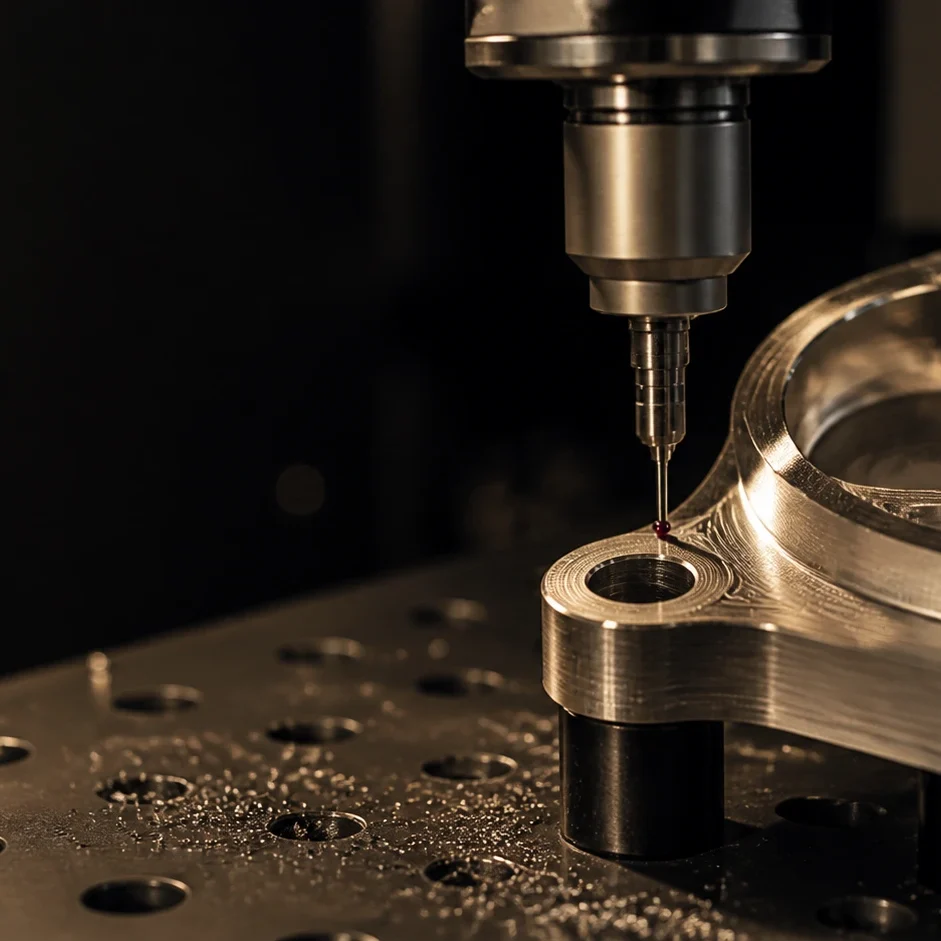
The metal is only half the decision. How the part is held, and what happens to it after the last pass, are the other half — and on a hard metal they decide more than the cutter does.
BEFORE THE STOCK IS ORDERED
Yes, titanium and Inconel 718 among them. Every alloy has rules: feeds, tool deflection, cold-work behaviour and spindle load are planned for before the first cut.
Yes. Material choice changes how a part is held, how it moves as it is cut and what it takes to finish, so it is part of the feasibility read rather than something settled afterwards.
Thin walls and tight profiles are held to print. Deflection is beaten before the cut rather than corrected after it.
Send it. The hard materials are a capability here rather than an exception, and the answer comes back either way.
Titanium, Inconel and hardened steel change the tooling, the speeds and the fixturing before a single chip comes off. Name the metal when you send the print.