
Prototype & R&D · Grand Rapids, MI
One part is a real job here.
Five-axis · Hard materials · Finishing in-house
- No form — nothing sends until you send it
- No price list — the print sets the price
- Need it sooner? Expedite costs more
What are we making?
Where the part is in its life tells me how to plan the cut.
Before you send anything
The four things you're actually asking.
WILL YOU TAKE ONE PART?
One is a real job here. First articles, revisions and one-offs are the work — not the exception squeezed in between production runs.
Can you hold it?
Thin walls, tight profiles, fine finishes — inspected, approved and held to print, feature by feature.
Who actually touches it?
You talk to the people who machine your part. Every time. Nothing routes through a desk that has never held the work.
What happens on part two?
Part two is the real deliverable, so part one's setup is planned so the next one doesn't start over. And if a part already failed, send it — what failed tells us more than the drawing does.
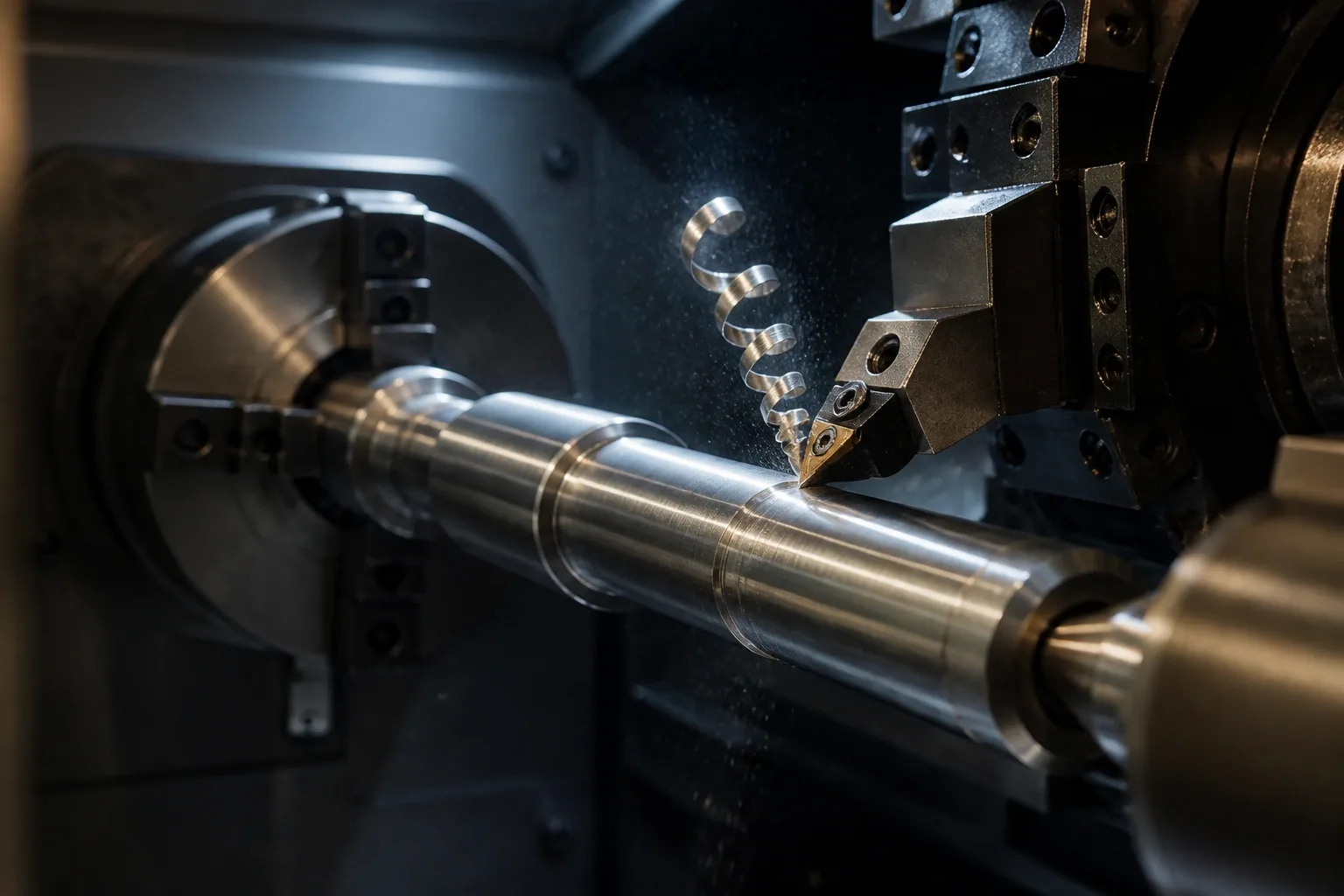 ◆ TURNED — IN THE CUT
◆Capability
What the lathes and mills are built to cut.
The cut, the stock and the finish all happen in this building. That is why the part that comes back is the part that was planned — nobody hands it to a stranger halfway through.
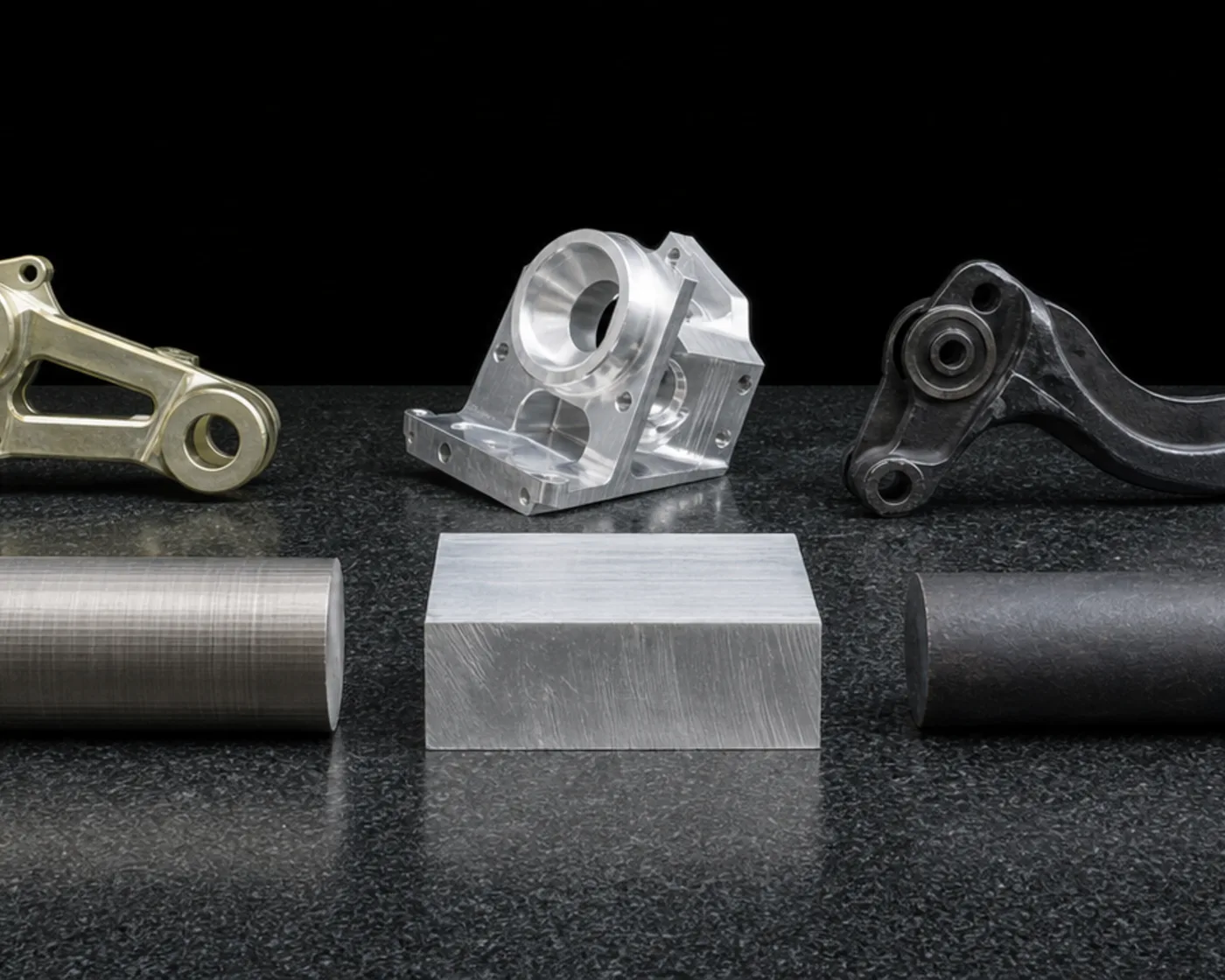
The stock
Bar, block and billet — the print names the alloy
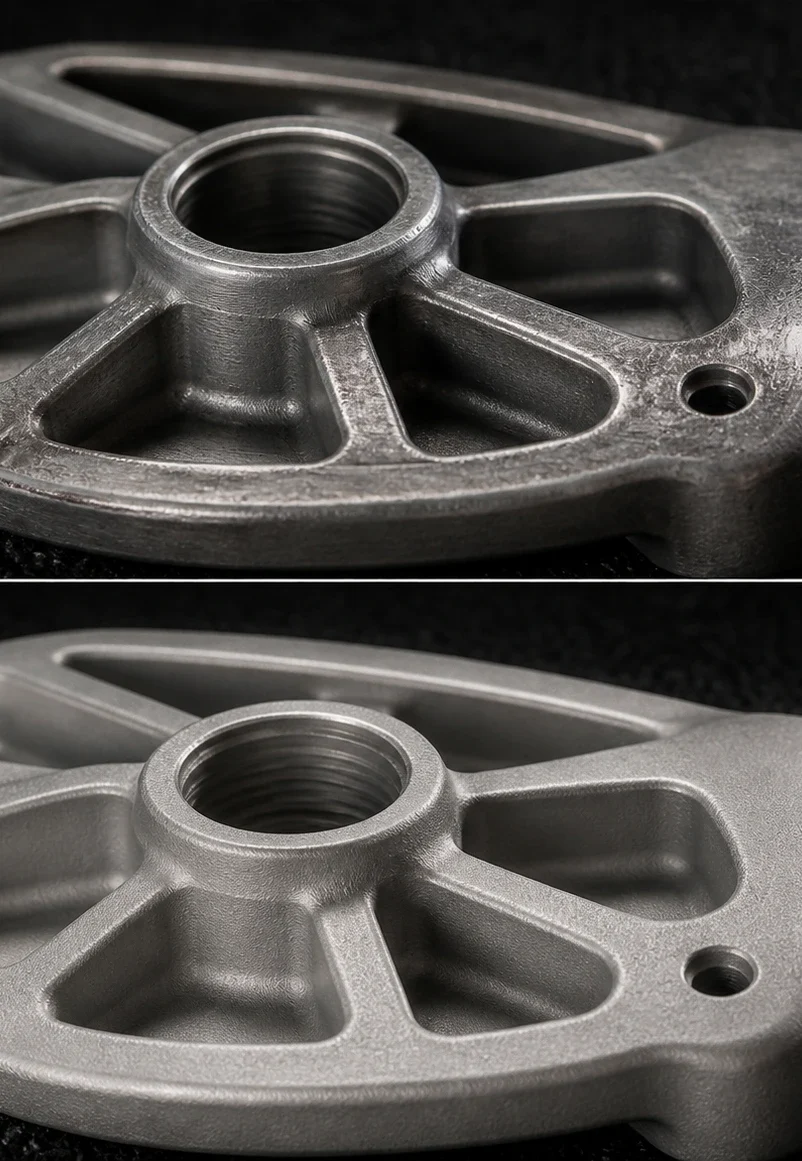
As machined → blasted
One part, both states
◆Stock to measured
How a part runs, start to finish.
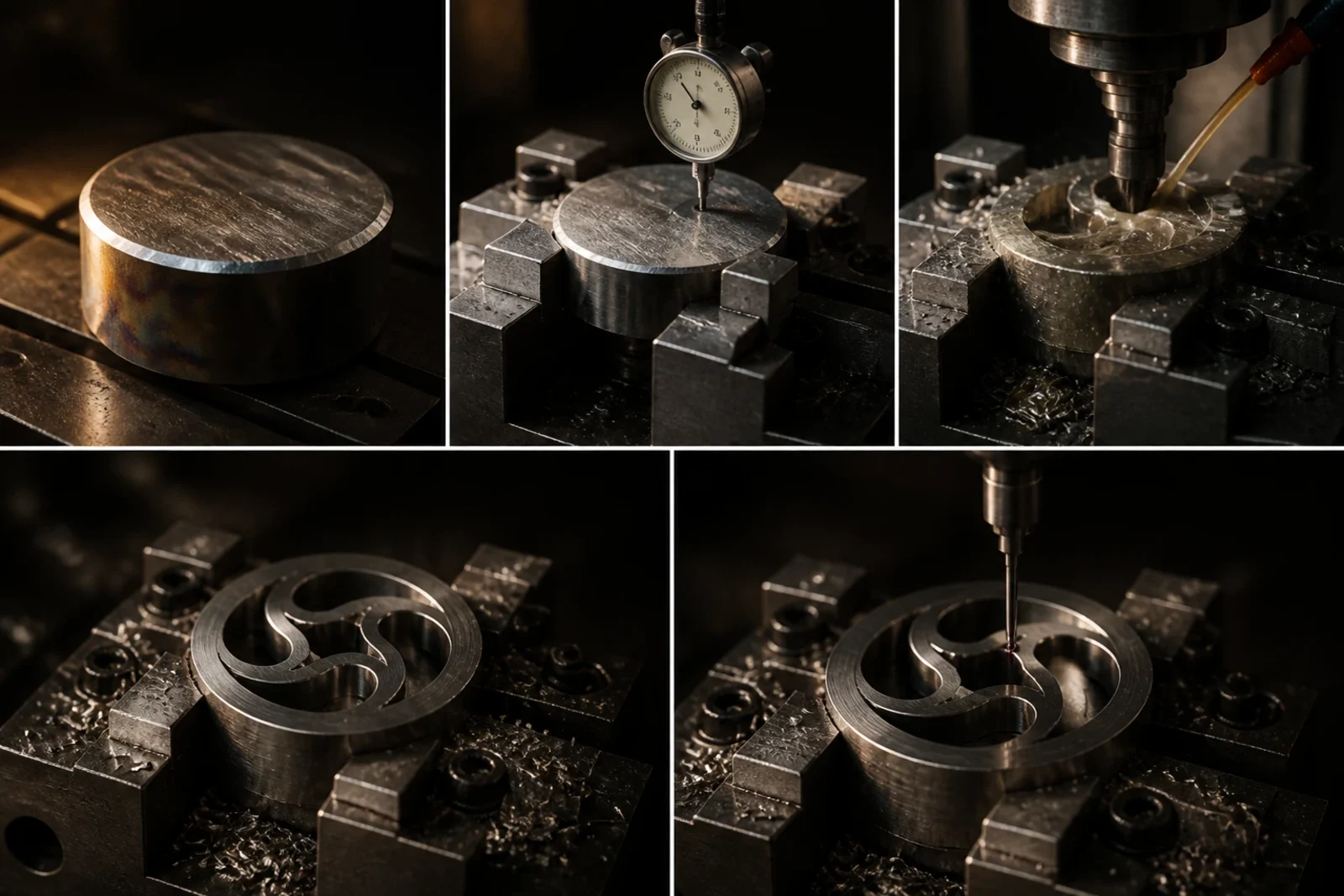
- 01
STOCK
The billet on the table, before anything is decided.
- 02
INDICATED
The datum found and trusted before a single cut is taken.
- 03
CUT
The pocket opened, coolant on the tool, chips clearing.
- 04
FINISHED
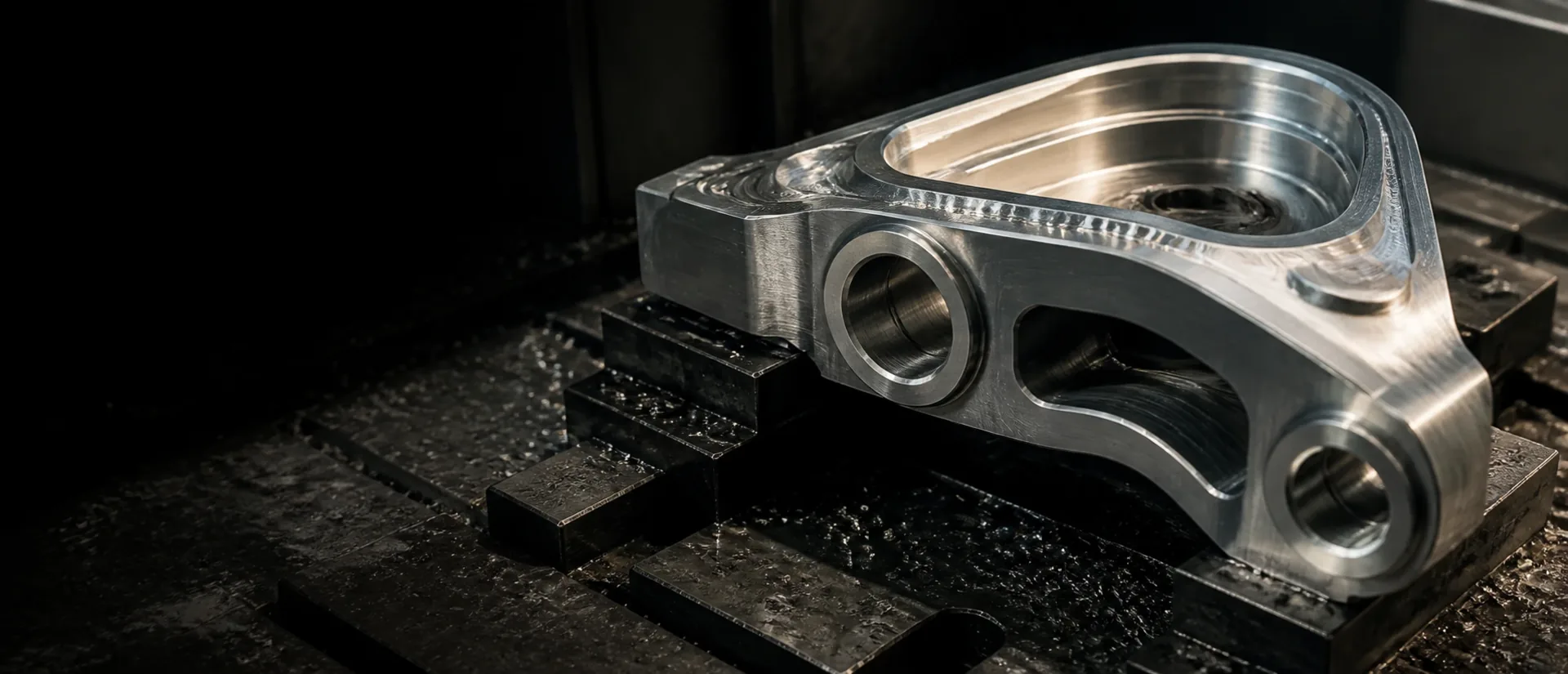
The finished geometry, machined from solid in the same fixture.
- 05
MEASURED
The probe back on the face — the number, not an opinion of it.
Send the drawing.
We'll read it.
A print, a model, or the part itself. Job control reads feasibility and comes back with a real path — including the parts of it we would do differently. From another state, the part comes by mail and the drawing by upload. Signing an NDA first is normal here; attach yours as a PDF with the drawing.